MAHIKENG – The road from a village in the North West to the Chinese marketplace may seem long, but participants at a business summit in Stateng Village believe the journey can begin with something as simple as understanding what it takes to export a local product.
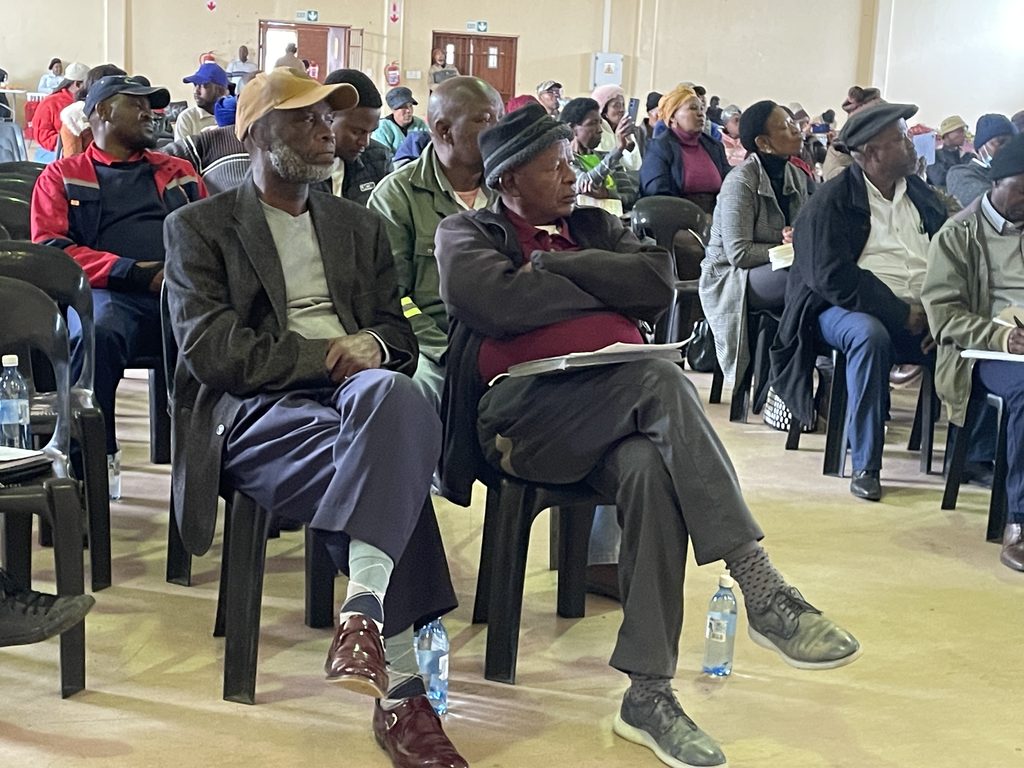
Ratshidi Hall in Stateng Village became the centre of that conversation when Baobab Ubuntu Media hosted the Chinese Embassy and North West Business Chinese Zero-Tariff Market Policy Summit.The gathering brought together representatives from the Chinese Embassy, the North West Department of Economic Development, the African Farmers Association of South Africa (AFASA), North-West University students, traditional leadership, academics, farmers and community members.
The focus was on making China’s zero-tariff policy easier for ordinary businesses and farmers to understand, while exploring how producers in the North West could prepare themselves for opportunities in the Chinese market.For local communities, the discussion was not simply about China. It was about whether farmers and small businesses have the knowledge, skills and support needed to move from producing for their immediate communities to competing in international markets.
Kgosana Koketso Rakhudu, who delivered a Community Leadership Excellence Address, connected the summit to what he described as 11 years of grassroots leadership aimed at building a stronger and more self-sufficient village economy.He said communities needed to prepare themselves to become participants in international trade rather than simply watching opportunities pass them by.“We are not just opening doors to China we are preparing our people to walk through them with products, skills and ownership,” was the central message of his address.
Chinese Embassy representatives explained that the zero-tariff policy creates opportunities for African producers, but warned that simply having access to a market does not guarantee that a product will succeed.Farmers and businesses still need to understand what Chinese consumers want, meet the necessary standards, have the correct documentation and be able to supply products consistently.One of the key issues discussed was Rules of Origin and Certificates of Origin.
These requirements are important because businesses need to demonstrate where their products come from when seeking preferential treatment under trade arrangements.The discussion also moved beyond traditional farming and exports to the growing role of digital trade and e-commerce.Speakers explained that technology is changing the way businesses sell products, allowing smaller companies to reach consumers across borders without relying entirely on traditional distribution networks.
For a small producer in the North West, this could mean that a product made locally can potentially find customers thousands of kilometres away. Agriculture remained at the heart of the conversation, with South African products such as citrus, apples, macadamia nuts, wine and other agricultural goods identified as having potential in the Chinese market, provided producers meet the relevant requirements.The speakers also encouraged producers to think about what happens before a product leaves South Africa.
Local processing, packaging and other forms of value addition could create more opportunities for workers and small businesses and allow communities to retain more economic value.Agricultural economist Dr Gideon Chitanga encouraged farmers and entrepreneurs to work together rather than trying to navigate international markets alone.
He urged participants to exchange contact details, share information and continue communicating after the summit. For him, building relationships and sharing knowledge could help local producers understand the practical steps involved in moving from local production to international trade. The participation of North-West University students added another important dimension to the event.
Young people were exposed to discussions about agriculture, entrepreneurship, international trade and the growing economic relationship between South Africa and China. Traditional leadership and academia also helped bring different perspectives into the conversation, linking international economic opportunities with the needs of communities on the ground. For Baobab Ubuntu Media, hosting the summit was an opportunity to bring a global economic conversation directly into a community setting. The message emerging from Ratshidi Hall was that opening a door to an international market is only the first step.
The real work is preparing the people behind that door farmers, entrepreneurs, young people and small businesses – with the knowledge, quality products, skills and partnerships needed to walk through it.For Stateng Village and the wider North West, the question is now how to turn the conversation into practical action and ensure that local products can find their place in a much bigger world.


Kgosana Koketso Rakhudu