By Thembi Moyo
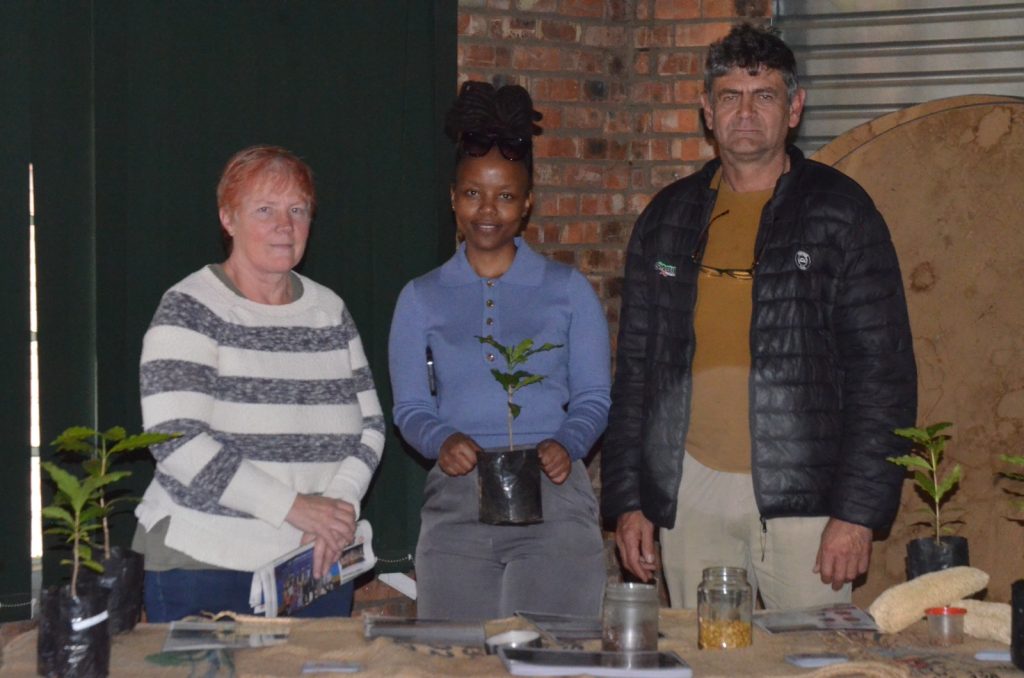
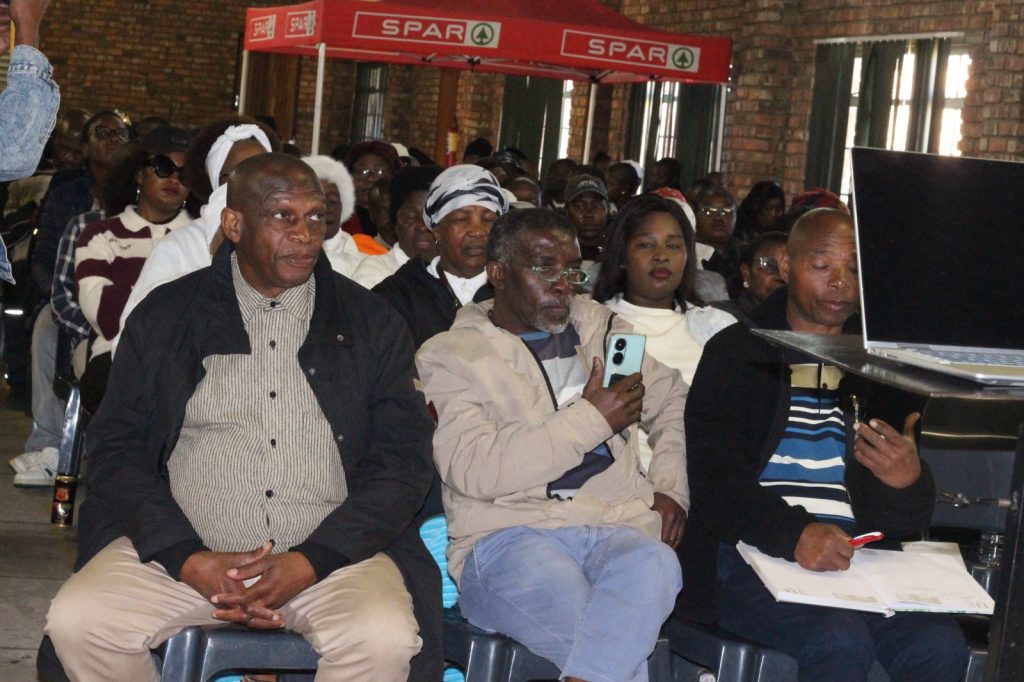
Mpumalanga Emerlo -The Nooitgedacht Agriculture Development Centre in Ermelo became a meeting point for farmers, small businesses and other stakeholders as they explored how China’s zero-tariff arrangement could open new opportunities for Mpumalanga’s agricultural sector.Farmers were among those who attended the seminar, with the Farmers Association of South Africa (FASA) also represented at the event. Their participation brought the discussion closer to the people who stand to benefit directly from increased access to the Chinese market.
One of the guest speakers, Dr Gideon Chitanga, said the strong turnout demonstrated the growing interest across Mpumalanga in understanding and benefiting from the zero-tariff arrangement. “The seminar made it clear that there are many people across Mpumalanga who are interested in exploring the benefits of zero tariff. It is also clear that the majority of small and medium-sized enterprises should not be left behind,” said Chitanga.
He said the policy presents SMEs with a unique opportunity to leverage trade with China, particularly in agriculture and other products that have the potential to reach the Chinese market.According to Chitanga, the opportunity could help revitalise agriculture while contributing to employment creation across the wider agricultural value chain.“Zero tariff provides a unique opportunity for SMEs to participate in trade with China. We believe this can contribute to revitalising agriculture, creating employment and opening opportunities along the entire agricultural value chain,” he said.
The message was particularly relevant for Mpumalanga, a province with a strong agricultural base and thousands of farmers and rural communities whose livelihoods depend on the sector.Another key speaker, Dr Moshe Makoka, focused on the practical realities of accessing the Chinese market. He stressed that businesses need to understand the policy and meet the requirements governing qualifying exports.
He highlighted the importance of rules of origin, certification, product standards and documentation, reminding participants that zero tariffs do not remove the responsibilities attached to international trade.The discussion encouraged farmers and businesses to look beyond the removal of tariffs and focus on becoming export-ready.
Agriculture emerged as one of the sectors with the greatest potential to benefit from improved access to the Chinese market. Opportunities identified included citrus, avocados, macadamia nuts, vegetables, fruit products and agro-processing, although businesses will still need to meet the specific requirements applicable to their products. The opportunity also extends beyond exporting raw agricultural products. Speakers said Mpumalanga could use the new trading environment to expand agro-processing and value addition, allowing more of the economic benefits to remain within the province.
This could create opportunities for investment in processing plants, packaging, cold storage, logistics and other services required to move agricultural products from farms to international markets.For smallholder farmers, speakers highlighted the potential role of cooperatives, aggregation centres and export partnerships in helping smaller producers overcome challenges involving production volumes, consistency and access to international markets.
Dr Makoka and other speakers stressed that taking advantage of the opportunity will require more than simply identifying products for export. Mpumalanga will need to strengthen production capacity, agricultural technology, infrastructure, finance, skills and compliance with international standards. Agricultural modernisation could include improved irrigation, mechanisation, climate-smart farming, cold-storage facilities, precision agriculture and modern processing infrastructure. These investments could help farmers improve productivity while creating opportunities for businesses providing services throughout the agricultural supply chain.
The seminar also highlighted that international trade could create opportunities far beyond the farm. Transport companies, warehouses, packaging businesses, financial institutions, customs specialists, logistics providers, marketers and quality-control services can all become part of the export ecosystem. A central concern raised during the discussions was ensuring that the zero-tariff opportunity does not benefit only established exporters and large corporations.
Chitanga said SMEs must be supported to understand the Chinese market and prepare themselves for participation. The message was echoed in discussions around business compliance, with Siphiwe Phakathi from the Msukaligwa Local Economic Development Department encouraging local enterprises to put their documentation and business affairs in order. For smaller businesses, this could be the first step towards becoming part of a much larger international value chain.
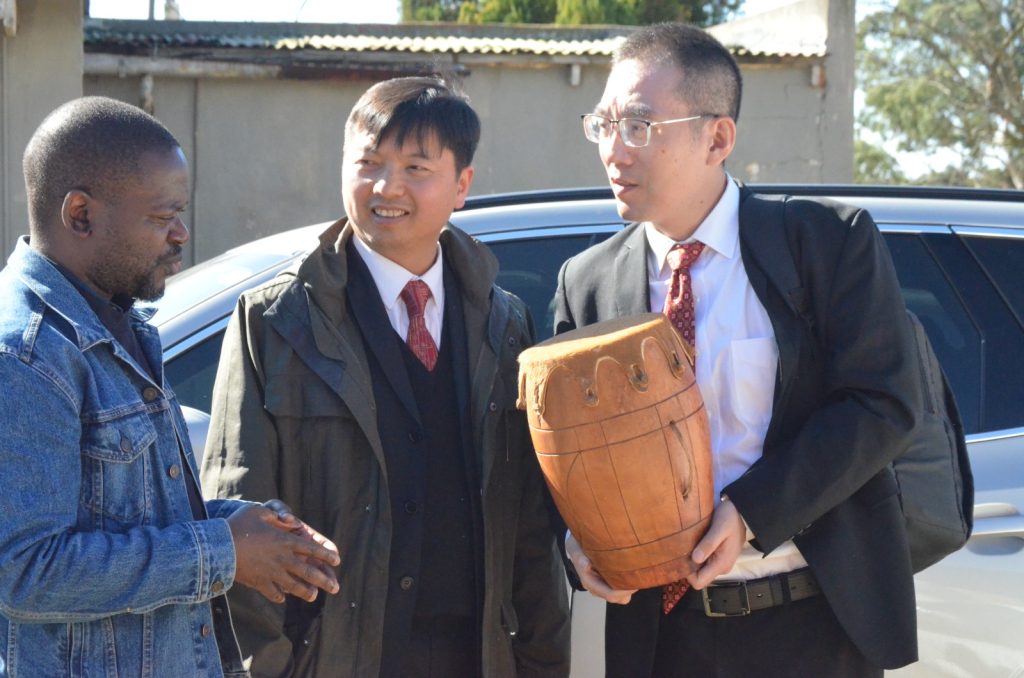
The seminar also highlighted the importance of youth participation, particularly in agriculture, technology, logistics, digital marketing and other sectors that support international trade.Representatives from the Chinese Embassy, including Zhu Liang and Zhou Bin, provided participants with an overview of the broader China-South Africa relationship and the zero-tariff initiative. They also engaged with local farmers and businesses on questions surrounding trade and access to the Chinese market.
For Baobab Ubuntu Media, the seminar was intended to take the conversation beyond policy announcements and help communities understand what the new trading environment could mean for local economic development. With farmers represented alongside SMEs and organisations such as FASA, the discussions highlighted the importance of ensuring that those at the heart of Mpumalanga’s agricultural economy are not left behind.
The organisers believe Mpumalanga has an opportunity to position agriculture and small businesses at the centre of a new phase of China-Africa economic cooperation. The challenge now is to ensure that farmers, entrepreneurs and SMEs have the information, infrastructure, finance and support needed to take advantage of that opportunity. The zero-tariff policy may open the door, but the real economic impact will depend on what Mpumalanga farmers and businesses do next.